
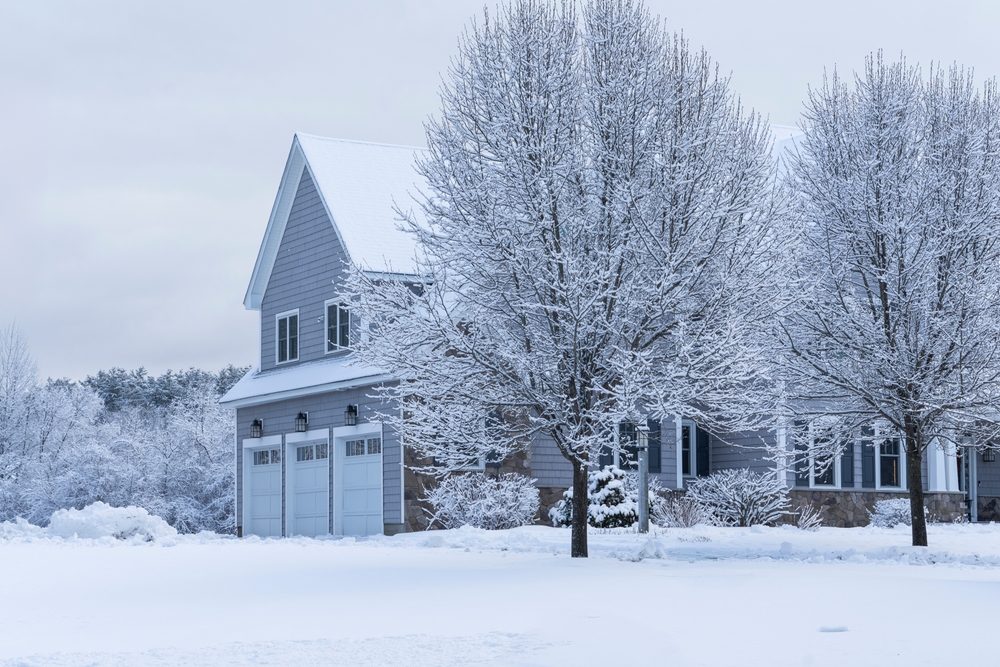
Many homeowners assume that once the leaves have fallen and temperatures drop, trees go completely dormant and require no attention during Minnesota’s long, harsh winters. It’s easy to understand why. Trees appear still and lifeless, their branches bare and quiet under layers of snow. However, while trees do slow their growth and conserve energy during dormancy, they are far from invincible.
Winter weather in Pine City, MN, can create unique challenges for tree health and structural integrity. Beneath that calm exterior, trees are still vulnerable to stress, breakage, and long-term damage. In fact, what happens during the winter months can significantly impact how well your trees leaf out and grow in the spring.
Proactive winter tree care can prevent costly damage and ensure your trees thrive once warmer weather returns. Let’s take a closer look at the risks trees face during Minnesota winters and what homeowners can do to protect their landscapes.
Common Winter Threats to Trees in Minnesota
Minnesota winters are no small test for even the strongest trees. Understanding the most common seasonal threats can help you spot potential issues before they become serious problems.
Heavy Snow and Ice Accumulation
One of the biggest winter hazards for trees in Pine City is the weight of snow and ice. While a light, fluffy snowfall is usually harmless, wet, heavy snow can accumulate quickly on branches, especially in trees with dense canopies or weak branch attachments.
Ice storms can be even more damaging, as ice buildup coats branches, adding significant weight and increasing the likelihood of snapping or splitting. Large limbs may even break off entirely, creating safety hazards and leaving trees vulnerable to disease and decay.
Frost Cracks
Rapid temperature fluctuations are common in Minnesota winters. And a sunny winter afternoon followed by a sharp nighttime freeze can cause the bark and inner wood to expand and contract at different rates. This stress may result in long vertical cracks in the trunk, known as frost cracks.
While some trees can recover from minor cracks, severe splits can weaken structural integrity and create entry points for pests and disease.
Winter Burn
Winter burn often affects evergreens and young deciduous trees. It occurs when trees lose moisture through their needles or bark faster than they can replace it from frozen soil. Dry winter winds and intense sunlight reflecting off snow can worsen the problem, resulting in brown or scorched foliage that may not fully recover in the spring.
Salt Damage
In areas where roads and driveways are treated with de-icing salts, nearby trees can suffer. For example, salt spray from plows and vehicles may coat branches, while salt runoff can seep into soil. These high salt concentrations will then interfere with a tree’s ability to absorb water and nutrients, leading to leaf scorch, stunted growth, and long-term stress.
Wildlife Feeding
During winter, food sources become scarce for wildlife such as deer, rabbits, and rodents. Unfortunately, tree bark and young twigs often become an easy target. Gnawing and bark stripping can girdle trees, cutting off nutrient flow and causing serious damage, especially in young or newly planted trees.
Wind Damage
Strong winter winds can place significant stress on tree trunks and branches, and trees that already have structural weaknesses are especially susceptible. Windstorms may cause leaning, uprooting, or additional breakage in ice-laden limbs.
The Benefits of Winter Tree Care and Inspections
While winter poses risks, it also offers unique advantages for tree maintenance. In fact, the dormant season is often an ideal time for inspections and certain types of pruning.
Clear Visibility for Structural Assessment
Without leaves, it’s much easier to see the framework of a tree. Arborists can clearly identify weak branch unions, crossing limbs, deadwood, and structural defects that might otherwise be hidden during the growing season. This visibility allows for more precise assessments and strategic tree pruning decisions.
Reduced Stress on Trees
Proper pruning during dormancy typically causes less stress than pruning during active growth. Trees are conserving energy in winter, and cuts made at the right time often heal efficiently once spring growth begins.
Dormant-season pruning can also reduce the spread of certain pests and diseases that are more active in warmer months.
Preventative Maintenance
Addressing structural weaknesses before heavy snow or ice arrives can prevent costly emergency situations. Removing dead or compromised limbs reduces the risk of storm-related breakage and protects both your property and your family.
Winter inspections also provide an opportunity to evaluate overall tree health and develop a proactive plant health care plan for the coming year.
Essential Winter Tree Care Tips for Homeowners
While some winter tree care tasks are best left to professionals, homeowners in Pine City can take several practical steps to protect their trees.
Mulch Properly
Applying a layer of mulch around the base of trees helps regulate soil temperature and retain moisture. Spread mulch 2-4 inches deep in a wide ring, keeping it a few inches away from the trunk to prevent rot.
Mulch acts as insulation during freezing temperatures and supports healthier root systems.
Water Before the Ground Freezes
Trees, especially evergreens and newly planted trees, benefit from adequate watering before the ground freezes solid. Moist soil helps prevent winter desiccation and supports root health.
Protect Young or Newly Planted Trees
Young trees are particularly vulnerable to winter damage. Tree guards or wraps can protect trunks from wildlife feeding and sunscald. Make sure wraps are applied properly and removed in the spring to prevent moisture buildup and pest issues.
Avoid Risky DIY Solutions
Shaking snow from branches or attempting to chip away ice may seem helpful, but it can actually cause more harm than good. Frozen branches are brittle and prone to breaking. It’s best to let ice melt naturally or consult a professional if damage occurs.
When to Call a Professional Arborist During the Winter
Some winter tree issues require immediate professional attention. Knowing when to make that call can prevent further damage and reduce safety risks.
Contact a professional arborist if you notice:
- Hanging or partially detached limbs
- Large split trunks or deep cracks
- Trees leaning suddenly after a storm
- Ice-damaged branches threatening structures
- Significant bark loss from wildlife feeding
These warning signs indicate structural instability and potential hazards. Attempting to handle these situations without proper equipment and training can be dangerous.
Professional arborists have the expertise to assess damage accurately, determine whether a tree can be saved, and perform safe, strategic pruning or tree removal when necessary.
Get Help With Winter Tree Care From Blue Pine Works
Minnesota winters are tough, not just on homeowners, but on trees as well. While they may appear dormant, trees still face significant environmental stress during the coldest months of the year. Proactive winter tree care can mean the difference between a healthy, vibrant canopy in spring and costly repairs after preventable damage.
If you’re unsure about your trees’ condition this winter, the professionals at Blue Pine Works are ready to help. Led by an ISA Board-Certified Master Arborist with over 15 years of proven experience, our team understands the unique challenges Minnesota winters bring. We can assess winter damage, provide strategic pruning, and ensure your trees remain strong and healthy year-round.
Don’t wait until spring to discover hidden winter damage. Contact our experts today to schedule a professional winter tree evaluation and create a care plan that keeps your trees thriving in every season.