
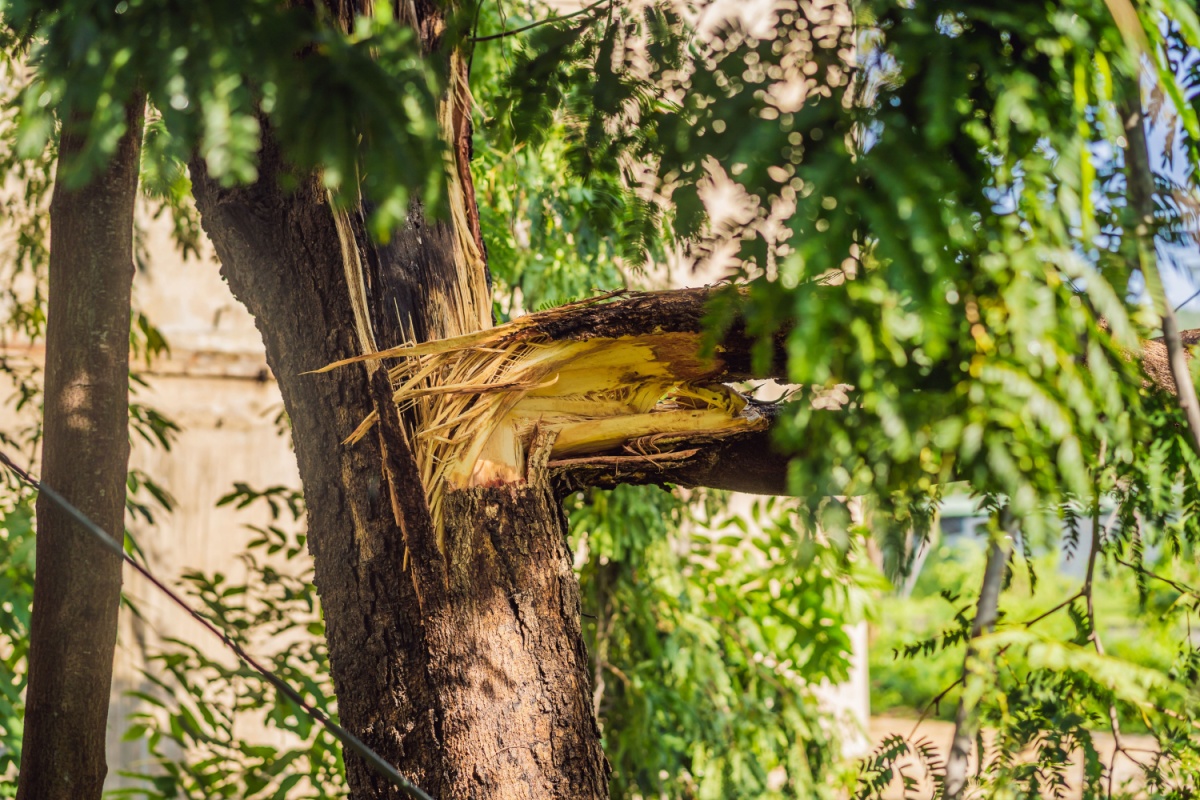
After a storm has blown through town, there are usually a dozen things on your to-do list. You’ve got branches to pick up, patio furniture to retrieve, and maybe even shingles to check. However, one of the most important items that often gets overlooked is a tree inspection.
While your trees might appear to be standing tall and sturdy, the reality is that most storm-related damage isn’t visible to the untrained eye. A small crack, a weakened branch, or hidden root damage can quickly evolve into life-threatening hazards. That’s why scheduling a professional assessment should be near the top of your post-storm checklist.
Below, we’ll explore the dangers of leaving a damaged tree untreated and what treatment options may be available so that you can move forward with confidence.
The Risks of Leaving a Damaged Tree Untreated
When a tree sustains damage — whether from strong winds, lightning strikes, heavy snow, or even mechanical injury from lawn equipment — the damage weakens the tree’s structure and makes it vulnerable to a number of problems that can escalate quickly. This is why you shouldn’t leave a tree to heal on its own.
Safety Hazards
A damaged tree is unpredictable, with cracked limbs, split trunks, and weakened roots being able to give way without warning. It only takes one falling branch to injure someone walking beneath the tree or cause significant property damage to vehicles, roofs, fences, or power lines. Even if the tree seems stable, internal decay or structural weakness could be developing beneath the bark — and by the time you notice it, it may be too late to prevent a collapse.
Decline in Tree Health
A damaged tree’s ability to transport water and nutrients can become compromised. For example, branches may begin to die back, leaves could yellow prematurely, and overall growth might slow down. Left untreated, these symptoms can worsen over time, ultimately leading to the tree’s death.
Increased Chances of Pest Infestations and Disease
Broken branches and torn bark create open wounds. To wood-boring insects like beetles, carpenter ants, and termites, this is a wide-open door. They will happily move into the stressed, vulnerable wood, tunneling, nesting, and further weakening the tree from the inside out.
The gashes in the bark can also allow fungal spores and bacteria to enter the tree. These pathogens will eventually cause rotting, cankers, and systemic diseases. Once a disease sets in, it can spread rapidly through the tree (or even to nearby trees), leading to widespread decline throughout your landscape.
Decreased Property Value
Healthy, mature trees add tremendous value to your home by enhancing curb appeal, providing shade, and creating a welcoming environment. And a visibly damaged or diseased tree can do the opposite, making your property appear neglected or unsafe. Potential buyers and insurance companies may even see a damaged tree as a liability, leading to lower property values or higher premiums.
Treatment Options for Damaged Trees
The good news is that not every damaged tree is a lost cause. With quick intervention and professional care, many trees can be revived and allowed to thrive for years to come. A certified arborist can evaluate the extent of the damage and recommend the best course of action.
Professional Pruning
Broken or hanging branches are a common result of strong winds and heavy storms. Prompt pruning helps eliminate these hazardous limbs and reduce wind resistance during severe weather.
It’s important to note that proper pruning is a must for the right results. Improper cuts can create further stress or expose the tree to disease, which is why we recommend professional tree pruning at all times.
Cabling and Bracing
If your tree has structural weaknesses, such as split trunks or heavy limbs, cabling and bracing systems can provide additional support. These steel cables and rods reinforce the tree and minimize the risk of failure during future storms. This is a practical way to preserve mature trees that still have strong root systems and viable canopies.
Plant Health Care
Some trees can recover from minor bark wounds or root injuries with plant health care solutions. Your arborist might recommend soil aeration, fertilization, or pest control treatments to strengthen the tree’s immune system and promote recovery. Regular watering and mulching can also help stabilize the tree’s health during the healing process.
When to Consider Tree Removal
While every effort should be made to save a tree, there are times when removal is the only safe and practical option. Knowing when to let go can prevent serious damage and protect your property and loved ones.
You may need to consider tree removal if:
- The trunk is split or severely cracked.
- The tree is leaning dangerously or has shifted at the base.
- More than 30% of the canopy or root system is damaged.
- There are signs of extensive decay or fungal growth near the trunk.
- The tree poses an immediate threat to people, structures, or power lines.
An ISA-certified arborist can provide a professional assessment to determine whether the tree can be safely preserved or if it has reached the end of its life. In some cases, removing one compromised tree can protect the health of surrounding trees by preventing the spread of disease.
Get a Professional Assessment From Blue Pine Works
Just because your tree suffered storm damage doesn’t mean it’s time to say goodbye. In many cases, there are steps a tree care professional can take to restore its health and enhance its longevity. The only way to know for sure is to schedule a professional inspection. The experts at Blue Pine Works will carefully assess your tree’s condition, identify potential hazards, and recommend the best solution, whether it’s targeted pruning, support systems, or safe removal.
If you live in Pine City, MN, or the surrounding areas, don’t wait until a damaged tree becomes a costly problem. Contact Blue Pine Works today for a thorough tree inspection and storm damage cleanup, and know that your property is getting the care it needs.